
Welcome to the Hemodynamics & Vascular Biology Lab
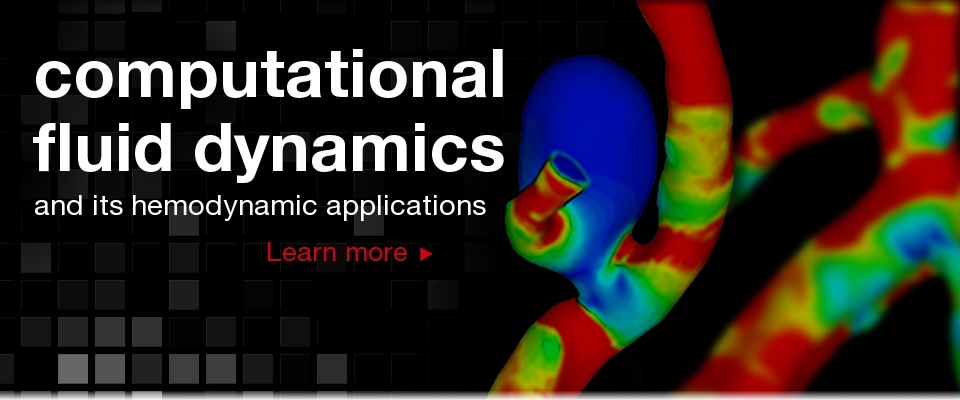
At the Hemodynamics & Vascular Biology Lab our research focuses on understanding blood flow through cerebral aneurysms and is intended for translational applications. Utilizing a diverse collection of approaches, including medical imaging, computational fluid dynamics, finite element analysis, cell culture and animal models, we are able to answer both clinical and basic science questions.
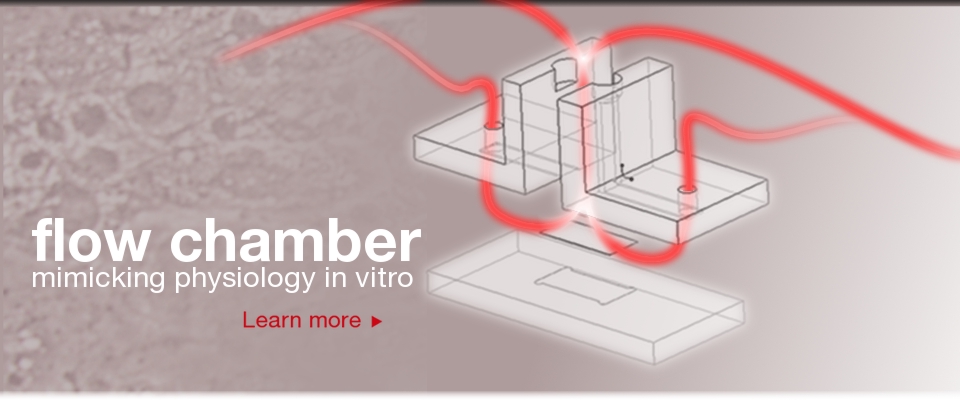
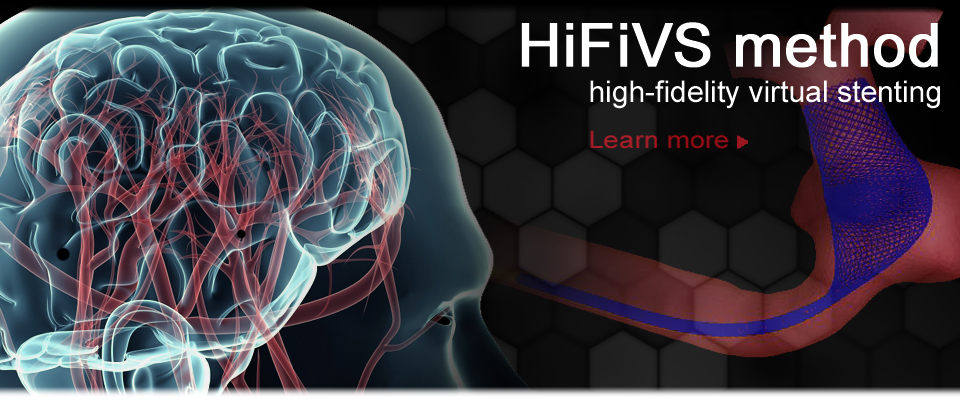
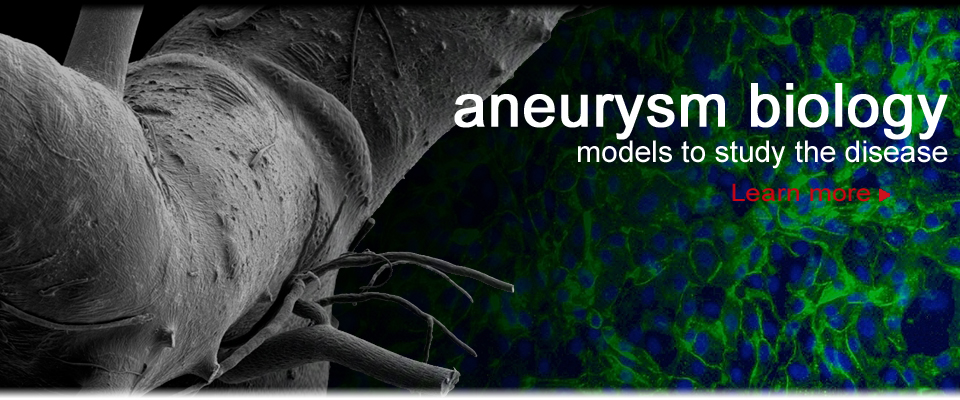
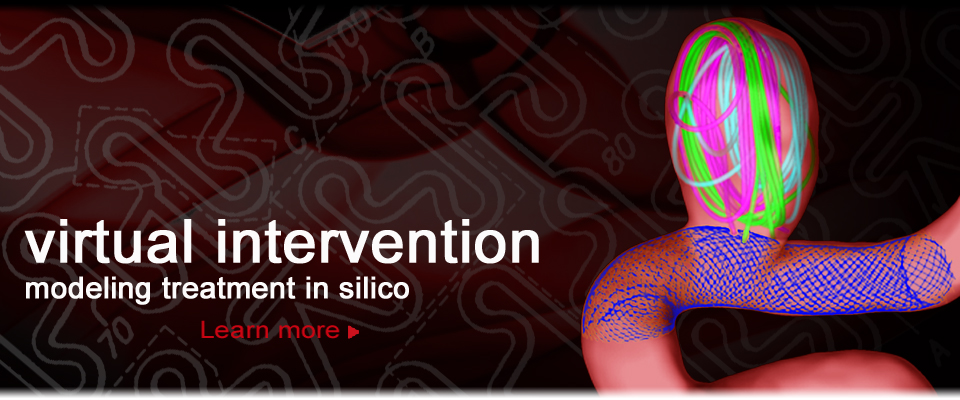
Clinically, we investigate hemodynamic parameters associated with aneurysm growth and rupture in order to formulate relevant risk assessments to help guide treatment decision-making. We also examine the hemodynamic effects of different aneurysm treatments, including stents, coils and flow diverters, by simulating their deployment virtually. Our in vivo work centers on understanding the pathophysiology of cerebral aneurysm initiation and flow-induced vascular remodeling in the Circle of Willis. Using flow chamber loops, we are also able to study specific biological responses of endothelial cells under pathological hemodynamic conditions in vitro.